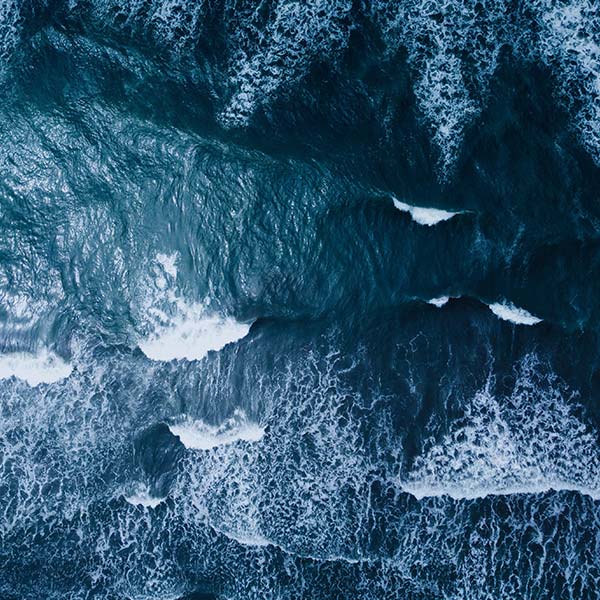
Shipping: a silent threat to the ocean
The pressure exerted by human activity on marine ecosystems is unprecedented. The urgent need for action stems from several observations:
- Thousands of commercial vessels are constantly sailing the world’s seas.
- Shipping traffic is the main source of marine noise affecting wildlife.
- The steady increase in the number of ships and their speed is leading to a greater risk of fatal collisions with marine animals.
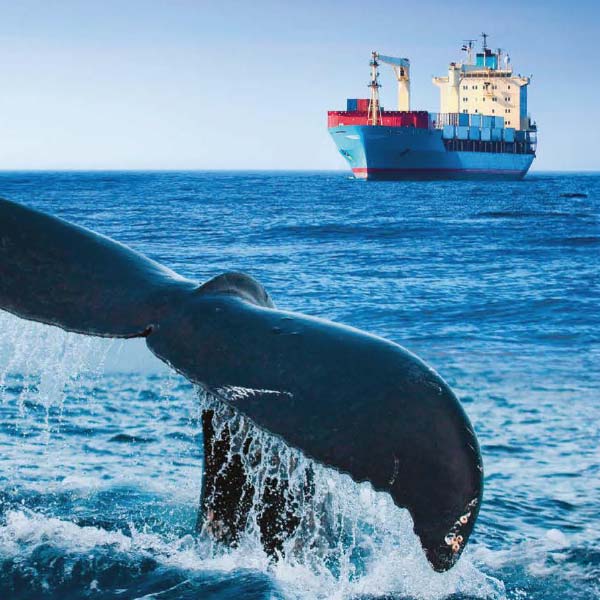
Technical and operational solutions for taking action
There are practical solutions for protecting our oceans. These are based on two key areas of action that need to be implemented in order to reduce the impact of shipping on marine biodiversity.
Technical improvements such as engine modifications, propeller optimisation and innovations in ship hull design.
Operational measures such as systematically avoiding areas posing a risk to wildlife and, above all, reducing sailing speed.
Harmonious coexistence between humans and wildlife
Through its ‘Blue Speeds’ initiative, the International Fund for Animal Welfare (IFAW) is working to promote harmonious coexistence between humans and wildlife. The organisation is calling on the European Union to adopt legislation requiring ships to limit their speed to 75 per cent of their design speed in order to enter the ports of Member States. IFAW advocates this regulatory measure as the most viable solution for drastically reducing underwater noise pollution, limiting fatal collisions and cutting greenhouse gas emissions.
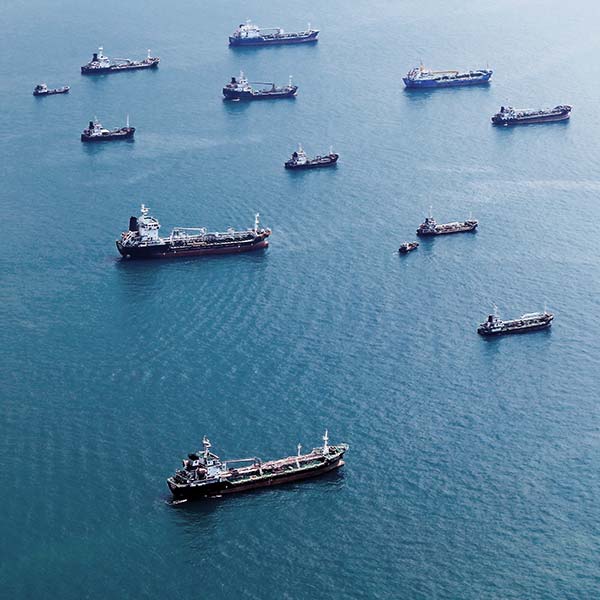
The impact of a 5–10 per cent slowdown
Slightly reducing the speed of commercial vessels has immediate and positive effects on the environment. A reduction of just 5 to 10 per cent results in:
- Reduce underwater noise by 40 per cent.
- Reduce the risk of collisions by 50 per cent.
- Reduce global greenhouse gas (GHG) emissions by 13 per cent.
- To generate between 3.5 and 4.5 billion euros in economic benefits.
Our objectives for 2030: putting the ocean at the heart of regulations
The ‘Blue Speeds’ campaign has three objectives and aims to bring about legislative changes that will benefit biodiversity:
- Develop realistic and binding measures to reduce underwater noise in European waters by 2030.
- Take advantage of the review of the Marine Strategy Framework Directive, scheduled for 2027, to roll out this ‘Blue Speed’ initiative across Europe and then internationally.
- To increase public engagement through targeted online campaigns, the publication of the results of the European Citizens’ Survey in May 2026, and increased communication on our social media channels.